 EASTON ZOO
The golden dart frog is considered to be the most poisonous animal on Earth. It is a unique species that measures about 2 inches (5 cm) and has enough venom to kill ten grown men. The indigenous Emberá people of Colombia used this powerful poison for centuries to smear the tips of the darts they shot with their blowguns, hence the name of this species.
This brightly colored amphibian is one of the largest of the more than 100 species of poison dart frogs, which measure on average about one inch (2.5 cm). They live in a small area of the rainforest on the Pacific coast of Colombia. Although it is an abundant species, the destruction of the rainforest has put it on international lists of threatened species.
Scientists are not sure where the toxicity of these frogs comes from, although they may acquire it through the venom of the plants that carry their prey. Golden dart frogs that are bred in captivity and isolated from the insects of their natural habitat never develop venom.
Its poison, batrachotoxin (BTX)
Batrachotoxin (BTX) is an extremely potent, fat-soluble, cardiotoxic and neurotoxic steroidal alkaloid found in certain species of beetles, birds, and frogs.
Batrachotoxin binds to the sodium channels of nerve cells and permanently opens them. Preventing them from closing causes paralysis and death. Heart activity is impaired, causing arrhythmias, palpitations, ventricular fibrillation, and other changes leading to cardiac arrest or causing the heart to stop completely. BTX induces a massive release of acetylcholine in nerves and muscles, as well as destroying synaptic vesicles.
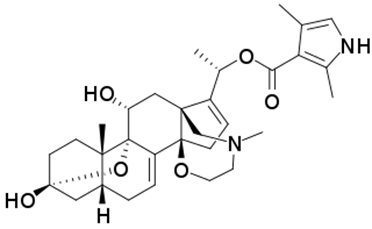
Batrachotoxin is one of the most potent alkaloids known to man: extrapolating from rat studies, the toxic lethal dose of this alkaloid in humans is 1 to 2 µg/Kg.
Due to its powerful effect on electrolytes, BTX will cause an increase in sodium above normal levels, but without altering the normal concentration of potassium or calcium.
Treatment
Currently, there is no effective antidote for the treatment of batrachotoxin poisoning. However, membrane depolarization can be prevented or reversed with saxitoxin (“red tide”), as it has opposing effects to those of BTX on sodium flux. This substance will be able to reverse the situation caused by this toxin, as long as it is administered within the first 12 hours from exposure.
Real-life case studies
There are not many real cases where this poison has been used to end people's lives. The limited data that is available indicates that the substance kills a person within the narrow range of 24 to 30 hours after ingestion. No one has survived more than 30 hours and known cases of poisoning have been carried out by mixing the substance with fermented alcoholic drinks such as wine or beer.
← Back to Easton Zoo